
Ask any seasoned traveller in Singapore when they book their flights, and you’ll notice a pattern. They rarely book on impulse. Instead, they track a rough calendar in their head of when fares to their favourite cities tend to dip, then pounce when the timing lines up. That instinct isn’t magic. It comes from understanding how demand shifts through the year, and it’s exactly what separates a S$200 flight to Bali from a S$450 one on the same route.
This guide walks through the cheapest months to fly from Singapore to four of the most searched destinations among local travellers: Bali, Bangkok, Tokyo and Seoul. You’ll get a realistic sense of when fares drop, when to avoid booking altogether, and how to pair that timing with a Traveloka promo code to squeeze out even more savings.

Why Flight Prices From Singapore Swing So Much
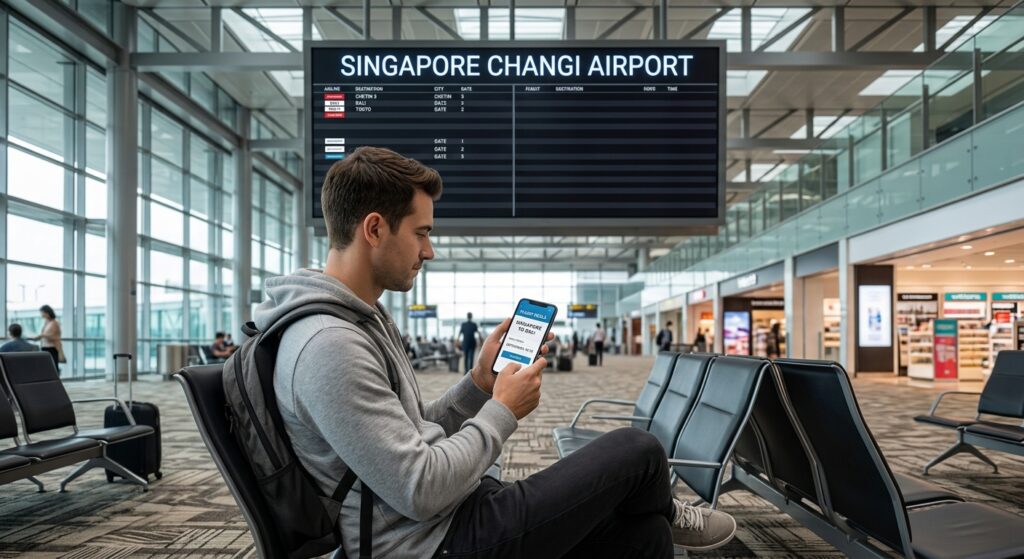
Changi is one of the busiest hubs in the region, which means fare volatility is driven less by fuel costs and more by predictable demand spikes. Singapore’s own school holiday calendar, particularly the March and June breaks, pulls thousands of families toward the same handful of destinations at once. Layer on Chinese New Year, Hari Raya, Deepavali and National Day weekend, and you get several windows each year where nearly every route out of Changi gets more expensive at the same time.
If you want a second opinion before you book, iPrice Singapore is worth a quick check too. It’s a handy site for comparing promo codes and deals across travel and airline categories, so cross-checking there alongside Traveloka’s own offers is an easy way to confirm you’re getting the better price before you commit.
Bali: Ride the Shoulder Seasons

Bali’s fare calendar follows its dry and wet seasons fairly closely, but the real value sits in the gaps just before and after the crowds arrive.
February is consistently one of the quieter months for this route, landing after the December holiday rush and before Bali’s dry season properly begins. May offers similar value, since the weather is already turning dry but school holidays haven’t kicked in yet. September and the first half of November round out the list, catching the tail end of peak season before wet weather and Singapore’s year end travel demand return.
July, August and December are the months to steer clear of if budget matters. School holidays, Bali’s peak dry season and the festive period all overlap here, and fares reflect it. Chinese New Year week deserves the same caution, since Bali remains a go to escape during that stretch.
A return economy fare in the cheaper months usually falls between S$180 and S$320. During peak periods, that figure can climb past S$450 for the same route. A Traveloka promo code applied on top of a cheap month fare is often the fastest way to bring that number down even further.
Bangkok: The Rainy Season Advantage
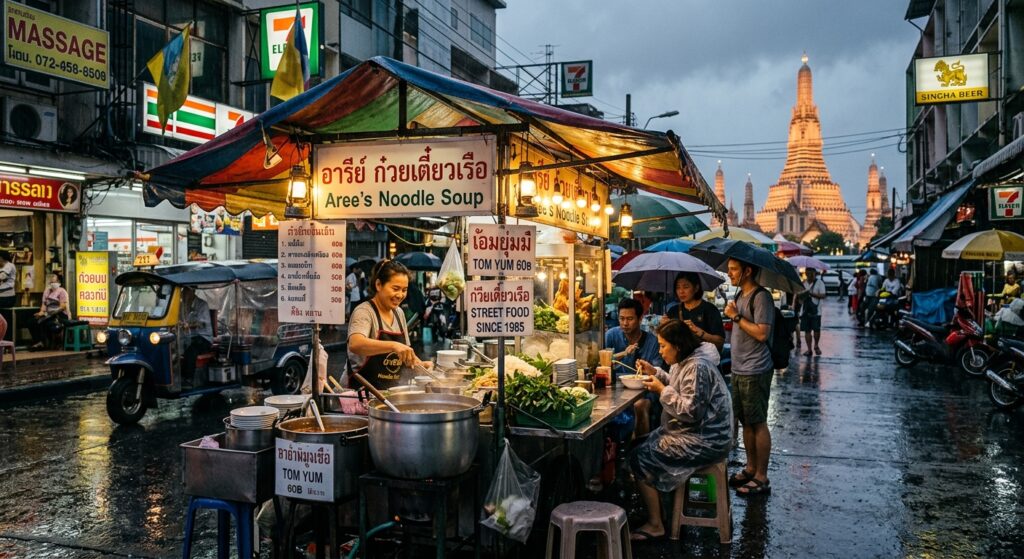
Bangkok rewards travellers willing to pack an umbrella. Thailand’s rainy season, roughly May through October, brings short and heavy downpours rather than all day rain, and airlines price this period noticeably lower than the popular cool season.
May and June sit right after Songkran and before Singapore’s school holidays fully take hold, making them strong candidates for low fares. September and early October follow the same logic, marking the quietest stretch of the year for tourist arrivals before the cooler, more popular months return.
November through January should be avoided for fare hunting. Thailand’s cool season is widely regarded as the most pleasant time to visit, and demand prices accordingly. April carries its own premium thanks to Songkran, which draws large crowds despite the heat.
Fares during the cheaper window generally range from S$140 to S$260 return. Cool season pricing regularly pushes S$300 to S$450 for the same flight.
👉Find discounted flights and activity vouchers on Traveloka.
Tokyo: Avoid the Blossoms and the Leaves

Tokyo has two demand spikes that dominate its pricing calendar: cherry blossom season from late March through April, and autumn foliage season from late October through November. Both are worth seeing, but both come at a cost.
Late January through early March offers the best value, sitting before sakura season begins and during a stretch when winter keeps casual travellers away. June works well too, positioned between the blossom crowds and Japan’s rainy season, a period many leisure travellers skip despite generally workable weather in the city. Late November, right after the autumn colours peak but before December’s holiday surge, rounds out the cheaper months.
Late March through April is the most expensive stretch of the year for this route, driven almost entirely by cherry blossom demand. Late July through August brings Japan’s own summer holidays, and late December adds the usual year end surcharge seen across most Changi departures.
Expect S$450 to S$650 return in the cheaper months. During cherry blossom season, fares can exceed S$900, sometimes more if booked within a few weeks of departure.
Seoul: Winter Is Your Window
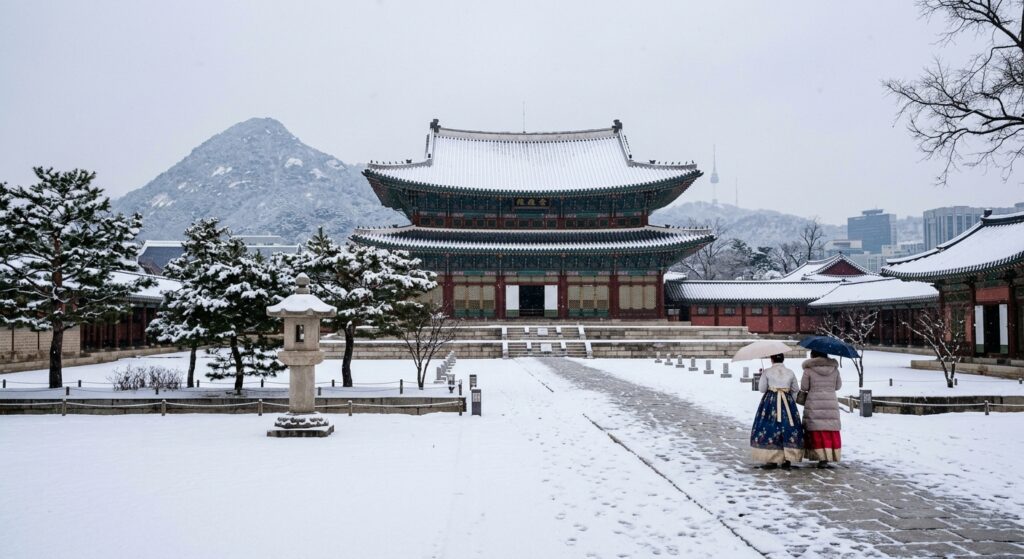
Seoul mirrors Tokyo’s pattern fairly closely, with spring and autumn driving the sharpest price increases. Korean winters run cold, which keeps a segment of travellers away and opens a genuine opportunity for lower fares.
Late January and February bring some of the cheapest fares of the year, sitting after the New Year rush and before spring demand builds. June works well again here, landing after the spring peak and before Korea’s summer holiday season ramps up. November, once autumn foliage has passed its peak, offers a third solid window.
March through May should be avoided given cherry blossom demand across the region. September and October carry a similar premium tied to autumn colours, and late December adds year end pricing on top of Christmas and New Year travel.
Fares in the cheaper months typically land between S$420 and S$600 return. Peak cherry blossom or autumn weeks can push that past S$800.
How Early Should You Book Each Route
Bali and Bangkok are short haul routes with heavy competition among airlines, so six to ten weeks out is usually enough for Bali, and four to eight weeks can work for Bangkok outside peak periods.
Tokyo and Seoul need more lead time. Both sea fares climb early ahead of cherry blossom and autumn foliage season, so three to five months out is the safer range for Tokyo, and three to four months works well for Seoul. Push that earlier still if you’re targeting either city’s peak season specifically.
A small but useful habit: check fares midweek rather than over the weekend. Airlines often adjust pricing on Tuesdays and Wednesdays, and weekend searches tend to miss the cheaper fare buckets that are already sold out.
Booking Smarter With Traveloka
Timing your trip around the months above gets you most of the way to a good fare. Traveloka’s own tools can close the remaining gap. Setting a price alert on your route means you’ll get notified the moment fares dip, which is particularly handy for volatile routes like Tokyo and Seoul. The flexible date search is worth a look even within your target month, since shifting a departure by a couple of days can shave a noticeable amount off the total, especially for Bali and Bangkok where midweek flights tend to run cheaper than weekend ones.
It’s also worth checking for app-only promotions before finalising a booking, since Traveloka periodically runs a Traveloka promo code exclusive to its mobile app that doesn’t always show up on desktop. For bigger bookings, Traveloka PayLater lets you spread the cost across installments, which pairs naturally with a fare that’s already lower thanks to smart timing. iPrice Singapore is another good stop if you’re comparing multiple codes side by side, since it aggregates Traveloka deals alongside other travel promos in one place.

Want to put this into practice? Browse the latest Traveloka coupons and promo codes on our site before you check out, and lock in your next trip at the lower end of the fare range rather than the higher one.
FAQs
What is the cheapest month to fly from Singapore to Bali? February typically offers the lowest fares, with May, September and early November also delivering solid value outside Bali’s peak dry season and Singapore’s major school holidays.
Is Bangkok cheaper to visit during the rainy season? Generally yes. Fares between May and October tend to run lower than the cool season from November to January, when demand for pleasant weather drives prices up.
Why do Tokyo flights get so expensive in spring? Cherry blossom season pulls in huge demand across the region, and airlines adjust pricing accordingly. Late March through April consistently ranks as the priciest stretch for this route.
How far ahead should I book flights to Seoul for cherry blossom season? Five months or more is a safer target. Fares for this period start rising well before the blossoms actually appear, so waiting until two or three months out often means missing the cheaper fare classes.
Final Thoughts
Getting a good deal on flights from Singapore has less to do with luck and more to do with reading the calendar correctly. Bali and Bangkok offer multiple affordable windows spread across the year, while Tokyo and Seoul reward travellers who plan further ahead to dodge their steep seasonal peaks. Match your travel dates to the patterns above, then layer on Traveloka’s price alerts and app promos, and you’ll consistently end up paying less for the same trip everyone else is booking at full price.


